GSB at 100: A Century of Impact, by Michael McDowell interviews leading faculty members including
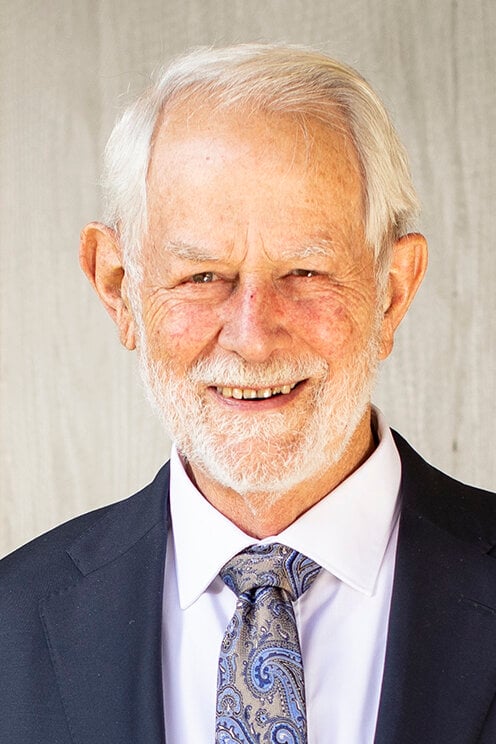
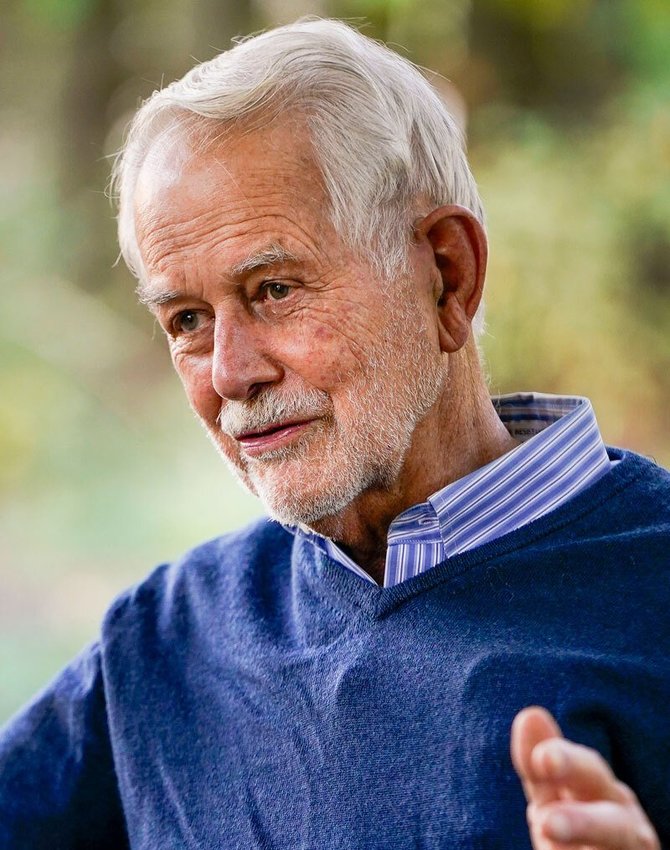
"Susan Athey: The GSB has had so many impacts, but let me just pick one particular issue that’s close to my heart, which is that it’s been several times in its history, it’s really been on the frontier of important ideas. One of the big ideas in the group that I’m in was market design and the use of formal strategic thinking and game theory and information economics to understand real phenomena. And Bob Wilson, who’s one of the grandfathers of the group that I sit in, Economics, he worked with oil companies in 1960s and looked at their bidding data and then developed formal theories that helped understand what was going wrong in those markets and how to fix it. And then later, he advised one of my advisors, Paul Milgrom, and they shared the Nobel Prize for some of their work on market design.
"And so, there’s many different takes on that, but one of my takes was that there was the connection to the world and the fact that the problem they were solving was coming out of a real problem leading to cutting edge theory that then created a field that didn’t exist. More recently, we were on the cutting edge of using machine learning for decision problems and what’s called causal inference, formally, and now Stanford is the best place in the world to do this kind of research. To go from zero in 2012 to best in the world with multiple amazing young scholars doing cutting edge research in 12 years is really stunning. And the GSB really supported us in that endeavor.
"So I think the GSB has been a really fabulous place for helping us stay grounded and really connected to real problems, but also allowing us to hire the kind of talent and giving us the space to do the pure research that doesn’t just solve today’s practical problems, but that actually builds the foundation for many people to solve applied problems."




 Posts
Posts

